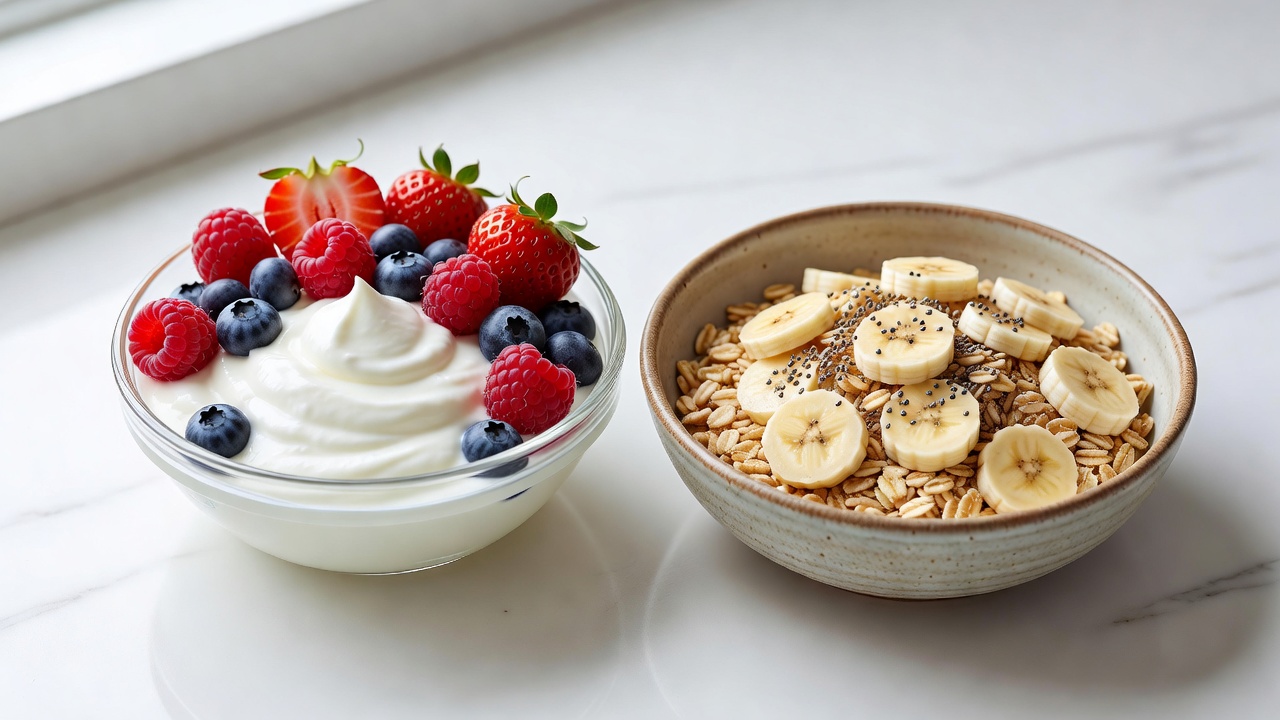
If you have ever stood in the dairy aisle puzzling over probiotics vs prebiotics, you are in good company. The two words look almost identical, they often show up on the same labels, and they both promise to be good for your gut — yet they play very different roles. Getting clear on probiotics vs prebiotics is one of the simplest ways to make smarter food choices every day, and a glass of drinkable yogurt happens to be one of the easiest places to start.
Probiotics vs prebiotics: the quick answer
Here is the short version. Probiotics are live, friendly bacteria — the microscopic helpers that take up residence in your digestive system. Prebiotics are the food those bacteria eat — special types of fiber and plant compounds your body cannot fully digest on its own, but your gut microbes happily feast on. Picture it this way: probiotics are the garden, and prebiotics are the fertilizer. You need both for the whole thing to flourish.
So when people frame it as probiotics vs prebiotics, the honest answer is that it is not really a contest. They are partners. The most balanced diets include a steady supply of each, working side by side to support digestion as part of an overall healthy lifestyle.
What are probiotics?
Probiotics are living microorganisms — mostly beneficial bacteria, and sometimes yeasts — that contribute to the natural community of microbes living in your gut. That community, often called the gut microbiome, is busy from morning to night helping break down what you eat. When you enjoy a fermented food, you are introducing more of these friendly cultures into the mix.
Classic sources of probiotics include yogurt, drinkable yogurt, kefir, sauerkraut, kimchi, miso, and other fermented foods. Not every fermented product contains live cultures — heat processing can knock them out — which is why it is worth looking for the words live and active cultures on the label. Every bottle of YoguRico is made with live probiotics, so the friendly bacteria are along for the ride in every sip.
What are prebiotics?
If probiotics are the friendly residents, prebiotics are their pantry. Prebiotics are types of dietary fiber and plant compounds that pass through your upper digestive tract undigested and arrive in the lower gut, where your beneficial bacteria ferment them for fuel. Well-fed bacteria are happy bacteria, and that is the whole point.
You will find prebiotics in everyday plant foods: bananas, onions, garlic, leeks, asparagus, oats, apples, and beans, to name a few. The beautiful thing about understanding probiotics vs prebiotics is that it shows you how a colorful, fiber-rich plate and a serving of cultured dairy are not competing strategies — they are two halves of the same plan.
Probiotics vs prebiotics: how they work together
When you pair probiotics and prebiotics in the same meal, nutrition folks sometimes call the combination a synbiotic — the live cultures arrive alongside the fiber that helps them thrive. This is exactly why a fruit-and-yogurt breakfast is such a reliable habit: the live cultures in the yogurt are the probiotics, and the fruit brings the prebiotic fiber.
A few easy synbiotic pairings:
- Drinkable yogurt blended with a ripe banana
- A bowl of overnight oats stirred with yogurt and chopped apple
- Yogurt poured over berries with a sprinkle of oats
None of this needs to be complicated. The probiotics vs prebiotics question becomes a lot less intimidating once you realize the answer is usually just to have a little of both.
Where drinkable yogurt fits
Drinkable yogurt is one of the most convenient ways to get live probiotics into a busy day. There is no spoon, no bowl, and no excuse — you just pour and go. A 7 oz serving of YoguRico delivers live cultures along with about 7 grams of protein and roughly 260 mg of calcium, and it skips the artificial sweeteners, colors, preservatives, and starches.
For the prebiotic side of the equation, our real-fruit flavors are an easy on-ramp to more plant variety. Real fruit purée goes into our Guava, Guanabana, and Coconut flavors, so a single bottle pairs cultured dairy with the natural goodness of fruit. Prefer to keep sugar to a minimum? Our Natural (No Sugar Added) is the unsweetened, lowest-sugar option and an excellent base for blending in your own prebiotic-rich fruit at home.
Simple ways to get both every day
You do not need a supplement cabinet to put the probiotics vs prebiotics idea to work. Try a few of these:
- Start the morning cultured. Swap a sugary drink for a bottle of drinkable yogurt.
- Add a banana. One ripe banana brings prebiotic fiber and turns yogurt into a quick smoothie.
- Lean on whole plants. Oats, beans, onions, garlic, and apples all feed your gut bacteria.
- Keep it consistent. A daily rhythm matters more than any single perfect food.
Want to dial in the protein and calcium too? Our protein calculator can help you see how a daily serving fits your goals.
Clearing up the confusion
One reason probiotics vs prebiotics trips people up is marketing. Labels love buzzwords, and not every product that says good for your gut actually delivers live cultures or meaningful fiber. A little label-reading goes a long way: look for live and active cultures for the probiotic side, and lean on whole plant foods for the prebiotic side. You also do not need exotic powders or pricey supplements to get started. Some of the best sources are the humble, everyday foods that have been on our tables for generations — a banana, a bowl of oats, and a glass of cultured dairy. Simple, affordable, and genuinely good for you.
Common questions
Is one better — probiotics vs prebiotics? Neither is better. They do different jobs and work best together, so aim to include both rather than choosing sides.
Can I get probiotics and prebiotics from food alone? For most people, yes. A varied diet with fermented foods like drinkable yogurt plus plenty of fiber-rich plants covers a lot of ground. If you have specific digestive concerns, it is always smart to check with your doctor.
Is drinkable yogurt a probiotic or a prebiotic? Drinkable yogurt is a probiotic food because it contains live cultures. Blend it with fruit and you turn the same glass into a probiotic-plus-prebiotic combo.
Is this safe for kids? Yogurt is a popular, family-friendly food, but every child is different — a quick conversation with your pediatrician is the best way to tailor it to your little ones.
The tasty takeaway
The probiotics vs prebiotics debate has a refreshingly simple ending: you want both, and you can get them from food you actually enjoy. Pour a bottle of YoguRico, toss in a banana or a handful of berries, and you have covered both bases before you finish breakfast. Ready to stock up? Find YoguRico near you and give your gut the friendly bacteria — and the fiber to feed them — that it has been craving.
🥤 Goes great with our Guanabana drinkable yogurt — see nutrition facts & sizes.
{# Guaranteed blog links: circular previous/next, so every post links to two others and every NEW post instantly gets inbound links from old posts. #}